Massages aren’t only for relaxation. Medical therapeutic massage can aid in soft tissue recovery, by…
Dry Needling & Physical Therapy Aiding in Neuropathy Following Chemotherapy
For breast cancer awareness month, we are highlighting one of the relatively new treatment options we are offering at Desert Hand & Physical Therapy: Dry Needling. Dry needling can be used for patients experiencing neuropathy related to chemotherapy known as Chemotherapy Induced peripheral neuropathy (CIPN).
What is Neuropathy?
Neuropathy can occur when the nerves outside of the brain and spinal cord are damaged. Symptoms can include numbness, tingling, and burning of the hands and feet. Symptoms are mainly sensory but can sometimes affect motor and autonomic function.
Chemotherapy-Induced Peripheral Neuropathy is a type of neuropathy or nerve damage that results specifically after chemotherapy is received in the treatment of cancer.
What is Dry Needling?
Dry needling is a manual technique using a small, sterile, solid filament needle to deactivate and desensitize neuro trigger points. Using a neurological model of dry needling, Desert Hand and Physical Therapy clinicians can locate the most relevant, sensitized nerve areas to reduce neurological symptoms such as burning and tingling.
How does dry needling & physical therapy help with CIPN?
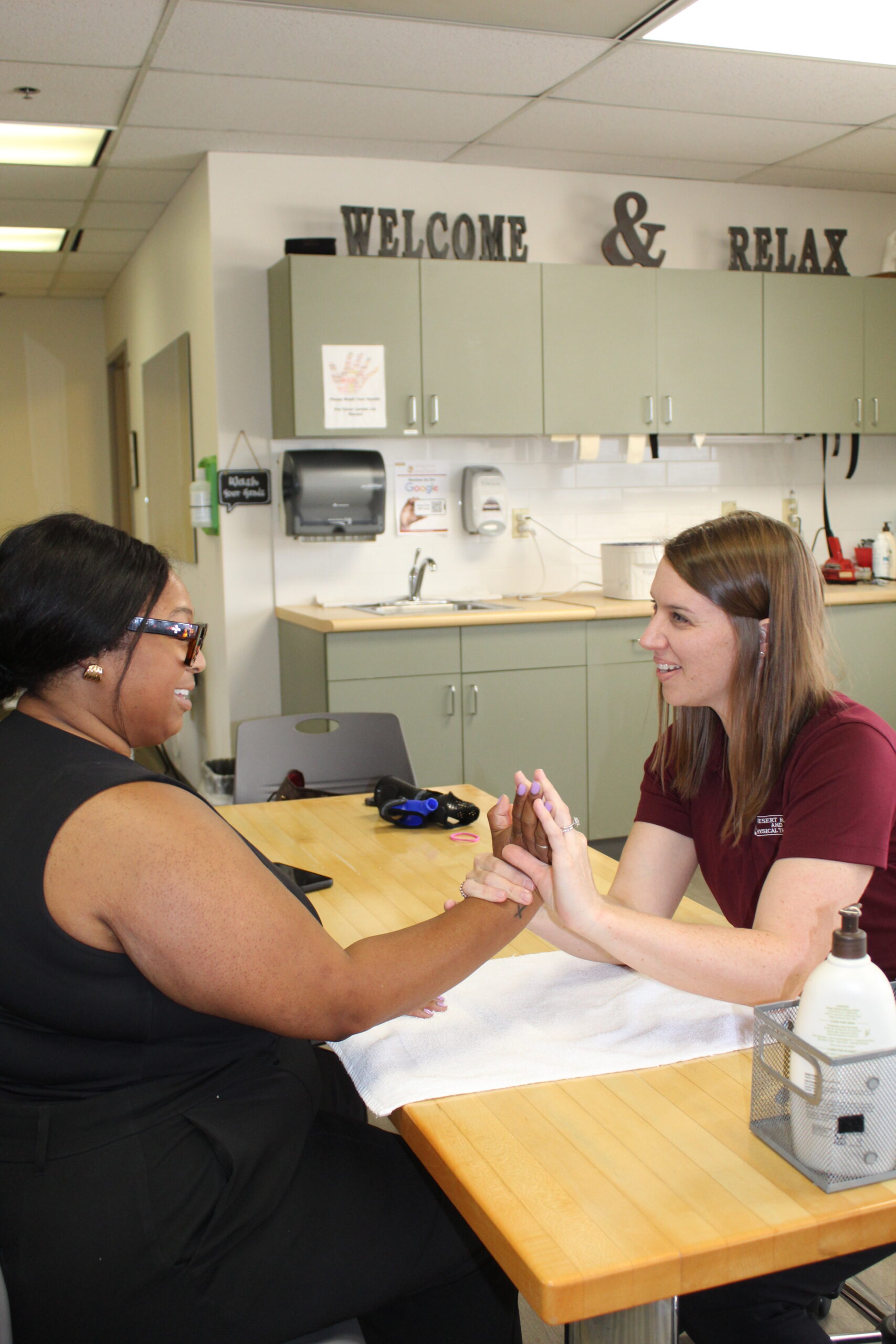
Dry needling may help increase circulation, improve nerve health, reduce inflammation, promote healing, and relieve pain by activating the body’s natural pain-control system. Our therapists combine dry needling with exercises that focus on neural mobilization in your personalized therapy plan. Research has shown that combining Dry Needling and exercise patients see improved CIPN Symptoms, better function and decrease neuropathic pain.
If you or someone you love has battled cancer and is experiencing neuropathy, contact us today!
References:
Granger, A., Dunning, J., & Young, I. (2025). Perineural electrical dry needling and neural mobilization for chemotherapy-induced peripheral neuropathy: Case report. Journal of Clinical Medicine, 14(7): 2318. doi: 10.3390/jcm14072318.
Related Posts